


Popular Searches
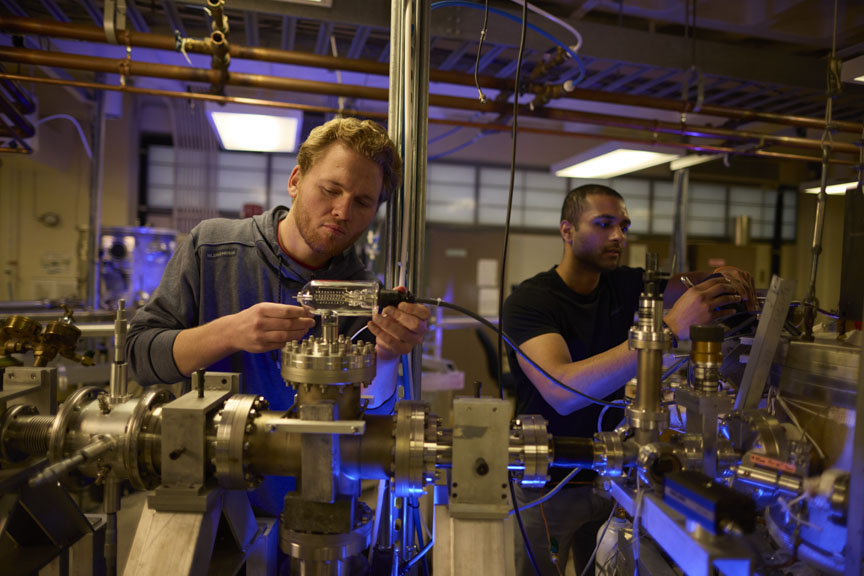
North Carolina’s Talent Pipeline is Skilled, Educated, and Ready to Get to Work.
A region’s economic success is dependent on its workforce, and North Carolina’s workforce is consistently ranked as one of the best in the nation—making it a strategic advantage for companies evaluating site selection in North Carolina and long-term growth opportunities.
In fact, North Carolina earned the coveted title of CNBC’s Top State for Business in three of the last four years, receiving top marks for its workforce. The ranking comes at a critical time for economic development. As companies navigate shifts in the post-pandemic economy, which dealt a tight labor market and a significant increase in domestic manufacturing demand, states must be prepared to meet the needs of ever-evolving manufacturers, technology firms, headquarters, corporate hubs, and life sciences companies.
North Carolina is uniquely equipped to meet these needs. Our labor force of 5.3 million is growing daily. We’re one of the fastest-growing states by population with more than 400 new residents moving to North Carolina each day. Most newcomers migrate from Florida, South Carolina, New York, Virginia, and Georgia, attracted to North Carolina’s rich quality of life, low cost of living, and abundant career opportunities.
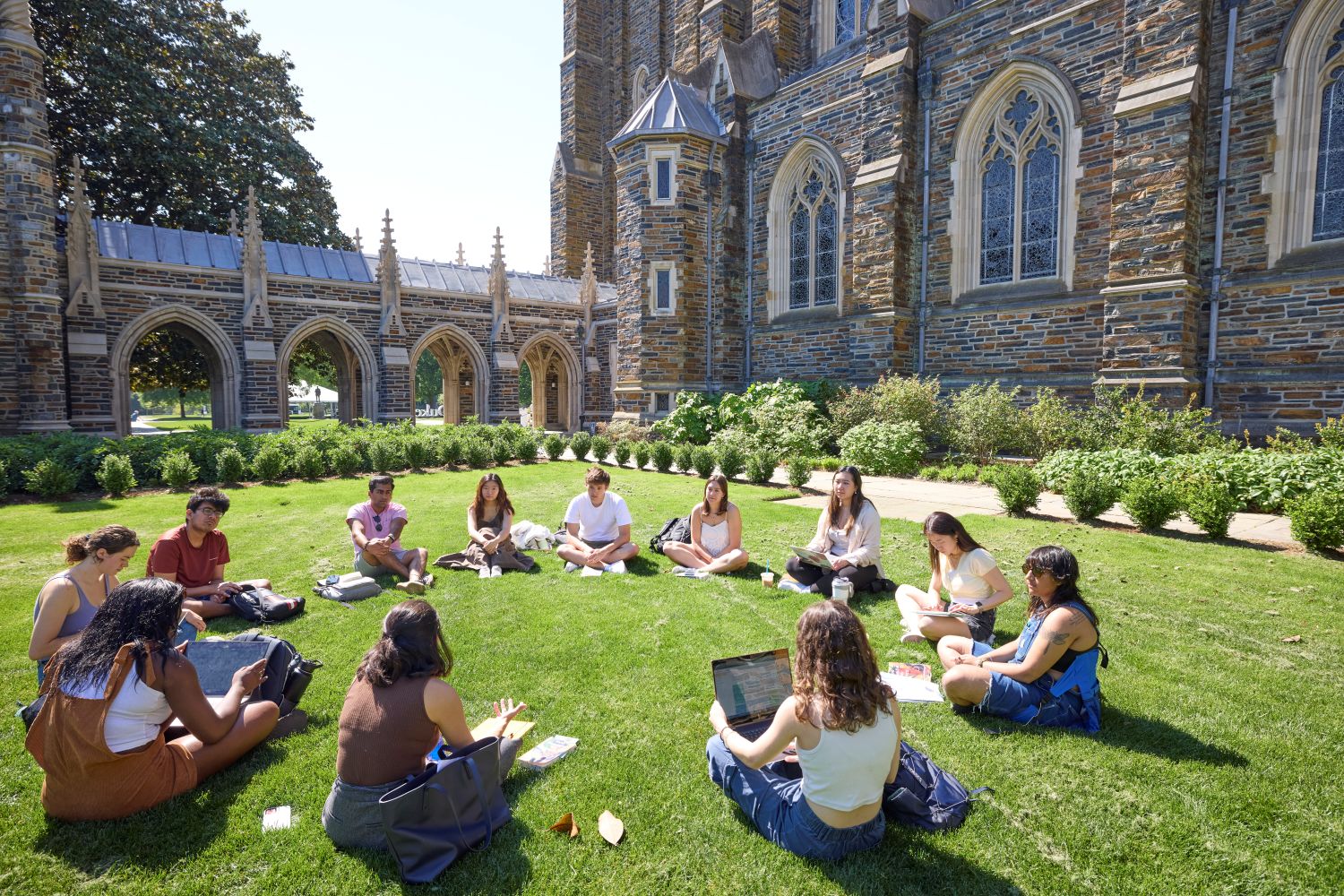
Today’s labor market demands an agile workforce with skills in manufacturing, life sciences, technology, and other rapidly evolving industries. North Carolina meets this demand through 110 universities and community colleges, as well as programs that help students and workers earn new credentials or pursue new career opportunities. The state is also cementing its national reputation for workforce-ready education: five of its community colleges rank among the top ten in the country in SmartAsset’s annual analysis, with Beaufort County Community College earning the number one spot.
North Carolina’s Workforce Growth by Industry
| TARGET INDUSTRY | LABOR FORCE | AVERAGE SALARY | GROWTH RATE |
|---|---|---|---|
| Manufacturing | 479,000 | $91,000 | 4% |
| Professional Services, Techincal, and Scientific Services | 374,000 | $128,000 | 60% |
| Financial Services | 254,000 | $148,000 | 53% |
| Technology | 192,000 | $161,000 | 56% |
| Life Sciences | 75,000 | $147,000 | 38% |
An Unmatched Higher Education System Supporting North Carolina’s Workforce
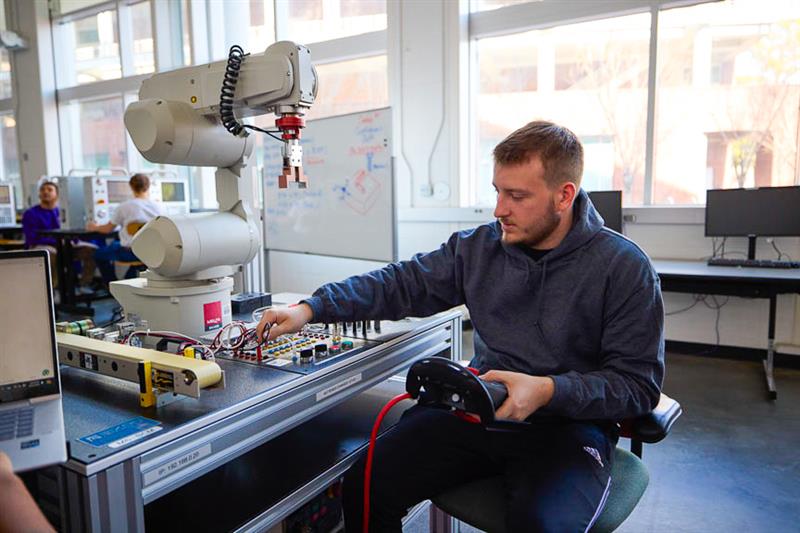
North Carolina ranks among the top states for postsecondary education enrollment, offering companies ready access to skilled talent. Nearly 700,000 students seeking certifications to postdoctoral degrees are enrolled in our state’s colleges or universities. This scale of enrollment ensures a continuous talent pipeline in North Carolina, supporting workforce needs for companies expanding, relocating, or entering new markets.
The University of North Carolina at Chapel Hill was founded in 1789, marking the first public university established in the country. Since then, 51 other distinguished colleges and universities have opened their doors to serve students across the state and world. Today, 16 institutions, including North Carolina State University, the University of North Carolina at Charlotte, and East Carolina University, make up the public University of North Carolina system. Collectively, the UNC System ranks as the third-most affordable for tuition rates in the nation (CollegeBoard, 2025). North Carolina is also home to 36 private and independent universities including Duke University, Wake Forest University, and Davidson College. Notably, North Carolina has 10 historically Black colleges and universities (HBCUs) and boasts the largest HBCU student enrollment in the country.
Over 331,800 students are enrolled in our 52 public and private universities, with approximately 88,000 students graduating annually with bachelors degrees or higher (UNC System, 2024). Graduates from North Carolina’s universities consistently fill high-demand roles, strengthening the state’s skilled workforce in engineering, technology, life sciences, finance, and business management.
Success Story

Powering Manufacturing with North Carolina Talent
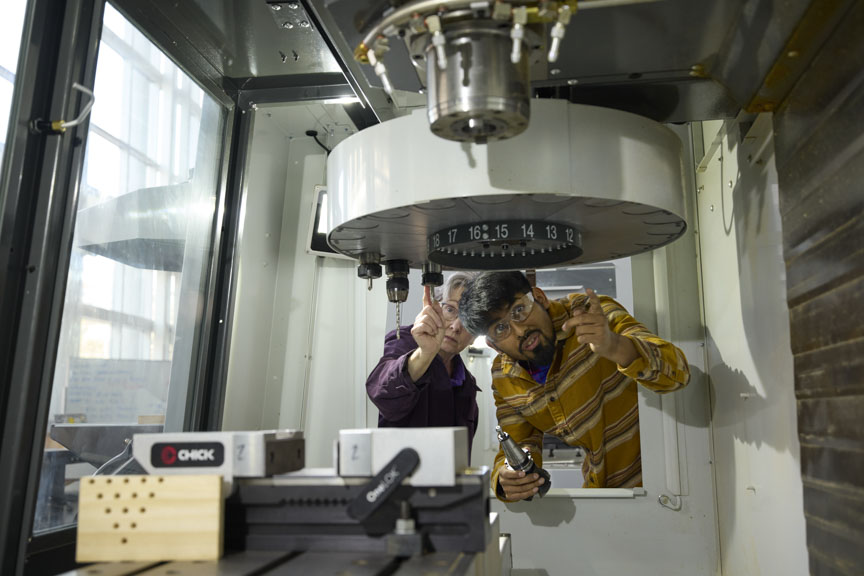
The North Carolina Community College System (NCCCS), a network of 58 colleges, is our state’s strongest workforce asset, supplying our manufacturing and trade sectors with workers in engineering technology, mechatronics, information technology, health sciences, and more.

Workforce Training & Incentives in North Carolina
The collaboration between technical training, academia, and industry runs deep in North Carolina as our colleges and universities consistently partner with each other and local companies to supply talent, develop curricula, lead groundbreaking research, and develop new patents and technology. Propel NC is a bold proposed program to create even greater alignment between the NCCCS and business and industry partners by increasing the funding level for courses leading to employment in high-demand, high-wage jobs.
Life Sciences Workforce Success Story

A Streamlined Workforce Development System in North Carolina
A Robust Statewide Jobseeker Network
North Carolina’s streamlined workforce development network helps companies tap into existing talent pools as they establish or expand operations. Known as the NCWorks Career Centers, expert business liaisons at 70+ career centers statewide partner with local companies, connecting them with jobseekers in the NCWorks talent system. For companies navigating expansion or site selection in North Carolina, NCWorks provides a centralized solution for hiring, training, and workforce support. Their services include job applicant screening and candidate referrals, information on tax credits and federal bonding program, customized career fairs, and on-the-job training programs.
The career centers also work to prepare jobseekers for new careers through a range of comprehensive services, including career assessments, resume, cover letter, and interview preparation, computer and internet access, and training and education programs. Specialized programs to serve veterans, formerly incarcerated individuals, limited English speakers, and agriculture workers ensure that our most vulnerable populations gain access to great careers.
On-the-Job Training grants (OJTs) help offset the cost of creating new job opportunities, companies may qualify for an OJT grant and receive a reimbursement for 50-75% of wages paid while employees learn requirements and skills for the position. Companies partner with their local workforce development board to develop a customized training plan.
Hiring Transitioning Military Talent in North Carolina
North Carolina houses the nation’s fourth-largest military population (USDOD, 2025), home to eight military installations including the United States Army headquarters and Fort Bragg, the largest military base in the world. Every year, approximately 20,000 servicemembers transition into the civilian workforce, providing employers with an experienced talent pool with vocational and technical skills (NC4ME, 2023). Organizations like the North Carolina Military Business Center connect companies with exiting servicemembers with a tailored candidate search based on skill sets and experience.
Several organizations can match employers directly to exiting military and veterans across the state. North Carolina For Military Employment (NC4ME) assists companies with hiring military talent and provides expert human resources training on how to recruit and retain military talent. NCWorks Veterans Services and Veterans Bridge Home also provide many workforce services to companies interested in hiring veterans and military talent.
North Carolina’s exiting servicemembers offer companies a wide variety of competitive skillsets: annually, ~4,500 servicemembers exit with skills in vehicles and maintenance, 1,400 in operations, 1,300 in aerospace and aircraft maintenance, 1,200 in engineering, and 1,000 in technology. This pipeline strengthens North Carolina’s workforce in engineering, aerospace, operations, and technology roles.
By the Numbers

#1 Workforce in the Nation (Site Selection Magazine, 2026)
State for Business (CNBC, 2022, 2023, 2025)
Statewide Labor Force Availability
110 Universities, Colleges, and Community Colleges
of Residents in Major Metro Areas Have a Bachelor's Degree or Higher
of Residents Have an Associate's Degree or Higher
Preparing North Carolina’s Workforce for Future Industry Needs
A state’s economy is only as strong as its workforce, and North Carolina refuses to rest on its laurels. Our state is implementing an innovative and comprehensive strategic economic development plan to ensure we uphold our status as the nation’s #1 workforce. The plan differentiates North Carolina from its peers through its holistic approach to capacity building and access to education and training. These investments ensure North Carolina remains competitive for site selection, business expansion, and workforce sustainability over the long term. Some key strategies include:
- Invest in key production sectors that provide critical technologies and supply chains
- Increase attainment of high-quality, postsecondary credentials
- Improve regional access to quality, affordable housing, transportation, and childcare
- Increase labor force participation by better supporting populations with barriers to employment
Several organizations have been created to help achieve these aspirational goals. The state granted a $97 million appropriation to establish Project Kitty Hawk, a nonprofit ed-tech startup partnering with the UNC System, the state’s public university system, to help adult learners earn new credentials. Universities may partner with Project Kitty Hawk to develop customized training programs based on regional market demand. Adults enrolled in the program receive admissions and technology assistance and an academic coach to ensure support throughout the program.
MyFutureNC is a statewide nonprofit with a goal to help two million North Carolinians earn a postsecondary credential by 2030. With cross-sector collaboration between leaders in education, business, and government, 75% of North Carolina counties have already shown gains in educational attainment since 2019.
North Carolina invests billions of dollars annually into its public university and community college systems. The state’s last budget allocates funding for short-term workforce development grants, improved broadband access, and $150 million towards building new workforce and research centers at various community colleges. North Carolina is also investing in programs to build our STEM talent pool and prepare students for careers in in-demand fields.
Summary
North Carolina’s workforce development ecosystem—spanning education, training, incentives, and talent pipelines—continues to attract global manufacturers, technology leaders, and corporate headquarters. Decades worth of investments into building out a strong workforce development system that is responsive to industry needs has attracted investment from renowned global manufacturers like Toyota, Siemens, and Honda Aircraft, Fortune 500 headquarters like Honeywell and Lowe’s, and leading technology firms like Apple and Google. Our colleges, universities, nonprofits, and statewide workforce system are designed to collaborate with industry and are nimble enough to create customized solutions to address workforce challenges.

Have questions about this report?
FAQs
-
How does North Carolina’s workforce support site selection and business expansion?
North Carolina’s workforce gives companies a competitive advantage during site selection and business expansion by combining scale, skill, and speed. With a labor force of more than 5.2 million workers and one of the fastest-growing populations in the country, employers gain immediate access to talent across manufacturing, technology, life sciences, and corporate operations.
The state’s integrated workforce development system—spanning higher education, community colleges, and employer-focused training programs—reduces hiring risk and accelerates ramp-up timelines. For companies evaluating site selection in North Carolina, this coordinated approach ensures workforce availability both at launch and as operations grow.
-
How strong is North Carolina’s manufacturing workforce?
North Carolina is home to the largest manufacturing workforce in the Southeast (Lightcast, 2025), supporting advanced manufacturing, aerospace, automotive, and industrial production. Nearly half a million workers are employed in manufacturing and related fields, with expertise in engineering technology, automation, mechatronics, and skilled trades.
This manufacturing workforce in North Carolina is reinforced by the state’s extensive community college network, which aligns training programs with regional industry needs. Manufacturers benefit from a reliable talent pipeline that supports both high-volume production and specialized, high-skill operations.
-
What workforce training programs and incentives are available to employers in North Carolina?
North Carolina offers a range of workforce training programs and incentives designed to support companies expanding or locating in the state. One of the most impactful is NCEdge Customized Training, which provides tailored training solutions through the community college system at no cost to qualifying employers.
In addition, companies may be eligible for on-the-job training (OJT) grants, which reimburse a portion of employee wages during training. These programs help employers build job-ready teams quickly while reducing upfront training costs and improving long-term workforce retention.
-
How does North Carolina ensure a long-term talent pipeline for industry?
North Carolina ensures a sustainable talent pipeline for industry through strategic investments in education, credential attainment, and workforce participation. With more than 110 colleges and universities and nearly 700,000 students enrolled statewide, the state consistently produces graduates in engineering, technology, life sciences, business, and advanced manufacturing fields.
Long-term initiatives such as Project Kitty Hawk and MyFutureNC expand access to postsecondary credentials for adult learners while aligning education pathways with labor market demand. Together, these efforts ensure North Carolina’s workforce remains adaptable, skilled, and ready to meet the future needs of employers.
Need more help?