

Popular Searches
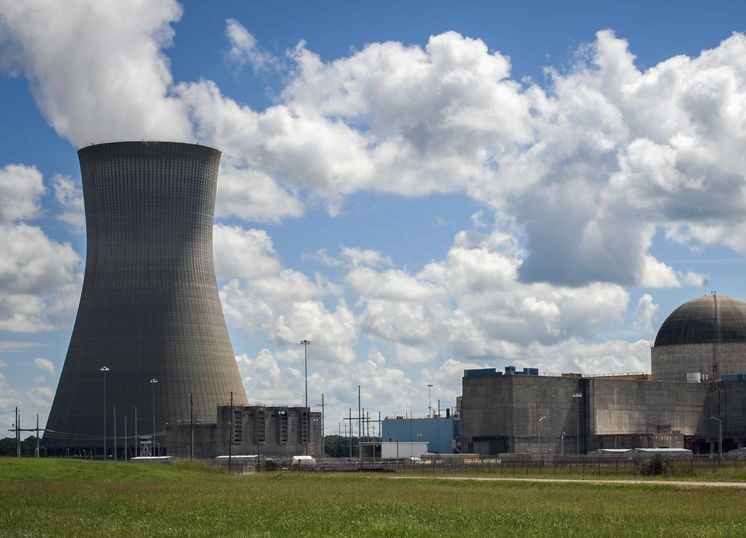
North Carolina’s clean energy sector is entering a new phase shaped by evolving federal policies, changing market conditions, and growing electricity demand. North Carolina, like much of the country, is expecting unprecedented load growth in the coming years driven by a rapidly growing population and economy. Against this backdrop, North Carolina continues to distinguish itself as a clean energy leader and is at the forefront of meeting this moment of record load demand through a diverse energy generation mix and targeted upgrades that strengthen reliability, speed, and resilience.
Access to reliable, affordable, and diversified energy is foundational to North Carolina’s economic competitiveness. According to a recent survey of corporate consultants, energy availability and cost rank among the top site selection factors for companies evaluating location decisions. North Carolina offers a competitive advantage in affordable energy prices, which have consistently remained below the national average and contribute to the state’s ability to continue attracting diverse industries from life sciences to advanced manufacturing.
Furthermore, companies are prioritizing sites with access to diverse energy sources, with more than 50% of Fortune 500 companies having established targets to reach net zero emissions by 2050. In fact, since 2021, more than half of all new announced investments in North Carolina came from companies with emissions reductions targets, highlighting the importance of clean energy access to state economic development efforts.
Finally, rapid growth is driving unprecedented demand for reliable, affordable energy. North Carolina is the third-fastest growing state in the nation and has paired that population growth with remarkable economic development success, earning recognition as the #1 or #2 Best State for Business six years running.
The Spark Behind a Cleaner Future

#5 State for Sustainability (Site Selection Magazine, 2026)
State for Clean Energy Jobs (E2, 2025)
Reduction in Greenhouse Gas Emissions (2005-2022)
North Carolina’s Clean Energy Ecosystem


A Growing Battery and EV Supply Chain
North Carolina is a top choice for the co-location of the emerging battery supply chain. Since 2021, major battery and EV investments totaling over $20 billion have solidified North Carolina’s position as a leader in the nation’s rapidly growing battery technology sector.
Largest Hard Rock Lithium Source in the US
The Carolina Tin-Spodumene Belt runs approximately 25 miles long in Southwestern North Carolina and contains more than 80 percent of the known lithium ore reserves in the country, a critical component in EV battery production. As a hub for lithium production and R&D, the Belt has attracted companies like Albemarle Corporation, Piedmont Lithium, and Livent.
Electric Grid Research and Development
Our state sits at the forefront of modernizing electrical infrastructure. Industry leaders like Hitachi Energy, GE, Siemens, ABB, and Schneider Electric are pioneering new grid technologies in charging infrastructure, power and distribution transformers, grid integration, and sustainable electrification.
A Leader In Nuclear Supply Chain Development
North Carolina ranks #5 in nuclear power generation nationally. In addition, North Carolina is home to nuclear innovators of all sizes, including GE-Hitachi, TerraPower, NuScale Power, Terrestrial Energy, and Mitsubishi Nuclear Energy Systems.
Preparing for Advanced Reactor Deployment
Duke Energy has two identified sites in its Carolinas territory designated for advanced nuclear reactor deployment, with Belews Creek, located in the fast-growing Triad region of North Carolina, in pre-application with the NRC.
Investing In Nuclear’s Future
Duke Energy, the nation’s largest publicly-traded utility, has entered into a partnership with GE-Hitachi to support the development and deployment of their BWRX-300 small modular reactor (SMR), one of the industry’s most advanced products.
Leadership For The Future
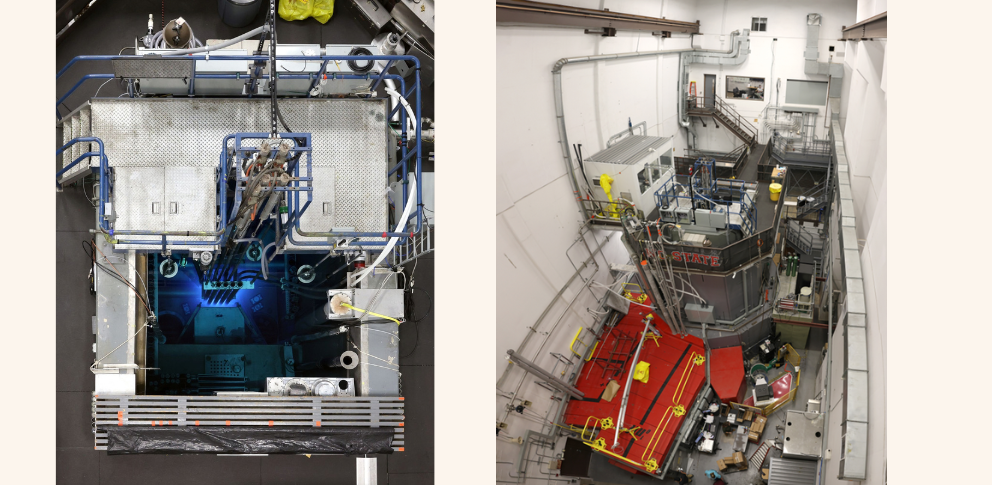
North Carolina State University’s Department of Nuclear Engineering—consistently ranked among the nation’s top programs—hosts the only university-operated research reactor in the Southeast and serves as a hub for advanced reactor design, nuclear materials, and radiation science.
Largest Wind Farm In The Southeast US
Elizabeth City is home to a 104-turbine wind farm known as the Amazon Wind Farm US East. Amazon Web Services contracts with the operator, Avangrid Renewables, to power its cloud data centers.
Robust Statewide Supply Chain
Wind energy companies are served by over 120 suppliers throughout North Carolina who manufacture or sell nacelle and blade/rotor components, tower and foundation equipment, transmission and electrical services, offshore and field services, and more.
Top Supplier Of High Purity Quartz
Spruce Pine is home to operations that mine the world’s largest known deposit of high-purity quartz, a critical component of solar photovoltaic cells, semiconductors and fiber optics. (Source: NC DEQ)
#5 Installed Solar Capacity
North Carolina ranks #5 nationwide for installed solar generating capacity. (Source: EIA, 2026)
North Carolina’s Commitment to Clean Energy
North Carolina is taking bold steps towards a clean energy future. In 2021, the state signed into law a mandate directing North Carolina’s Utilities Commission (NCUC) to reach carbon neutrality by 2050. Since taking office in January 2025, Governor Josh Stein has announced $4.9 billion in new investments and more than 15,000 new jobs from clean energy and clean technology companies, including JetZero’s announcement of the largest jobs commitment in state history at Piedmont Triad International Airport to manufacture high efficiency, low emissions aircraft.

Above: Aerial rendering of the future JetZero campus at the Piedmont Triad International Airport in Greensboro, North Carolina.
In addition to continuing to recruit clean energy companies to North Carolina, Governor Stein also created the bi-partisan North Carolina Energy Policy Task Force in August 2025 to strengthen the state’s electricity infrastructure and energy affordability as demand increases. In February 2026, the Task Force released an Interim Report identifying policy and technology solutions to manage the state’s growing energy needs while maintaining affordability, reliability and carbon emissions reductions.
“Leading the way in the clean energy economy is in the best interest of North Carolina’s long-term economic success. Today, more than 110,000 North Carolinians work in clean energy jobs. We will continue to work to grow that number by attracting innovative companies that share our vision of a clean, competitive, and sustainable economy for generations to come.”
Josh Stein,
North Carolina Governor
North Carolina Electric Service Territories
North Carolina is home to a robust portfolio of energy providers that serve various areas of the state. Three investor-owned utilities serve the state: Enbridge (formerly Dominion North Carolina), Duke Energy Carolinas, and Duke Energy Progress. In addition, 26 electric membership cooperatives and 76 municipally-owned electric utilities also serve customers in North Carolina.
View the North Carolina Energy Providers MAP
North Carolina Utilities Expand Access to Clean Energy
Over the past decade, North Carolina has undergone a significant energy transition. Coal, once used for two-thirds of the state’s electricity generation, now accounts for just 13%. In 2025, natural gas and nuclear power provided slightly less than three-fourths of North Carolina’s total net generation with the state leading the nation as the fifth-largest producer of electricity from nuclear power. With the scheduled retirement of all coal plants, North Carolina is deploying a diverse and resilient energy mix to strengthen the state’s long-term economic security.
Duke Energy, which delivers approximately 96% of utility-supplied electricity to North Carolina, projects total net load across its two Carolina systems to increase between 16% and 60% through 2040, compared with just a 7% increase across the states over the last two decades. To meet this demand and reach carbon neutrality by 2050, Duke Energy’s 2025 Carolinas Resource Plan includes maximizing the value of existing resources, adding new supply-side resources and developing a diverse, increasingly clean generation portfolio.
North Carolina is adopting a diverse approach to power generation that maintains reliability and manages cost while moving towards the state’s net-zero mandate. Figure 1 presents incremental resource additions proposed under Duke Energy’s recommended portfolio by 2035 and 2040. This includes a diverse generation mix of natural gas combined cycles (CC) and combustion turbines (CT), solar, battery storage resources and nuclear.
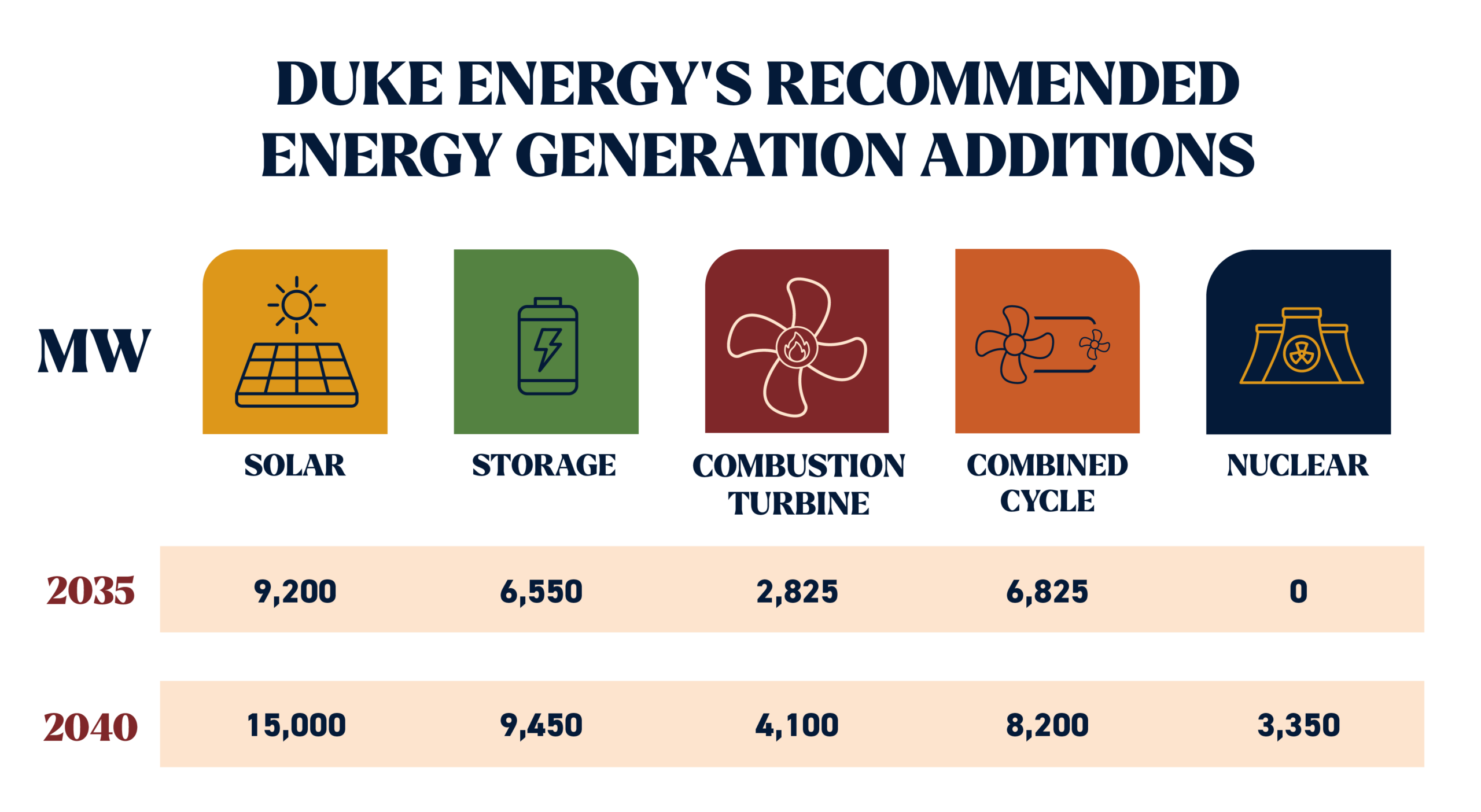
Note: Nameplate capacity additions beginning 2026, including 4,686MW of solar and 1,040 MW of battery that are under development and included in all portfolios as forecasted resources; does not include uprates to existing resources.
North Carolina’s Nuclear Advantage
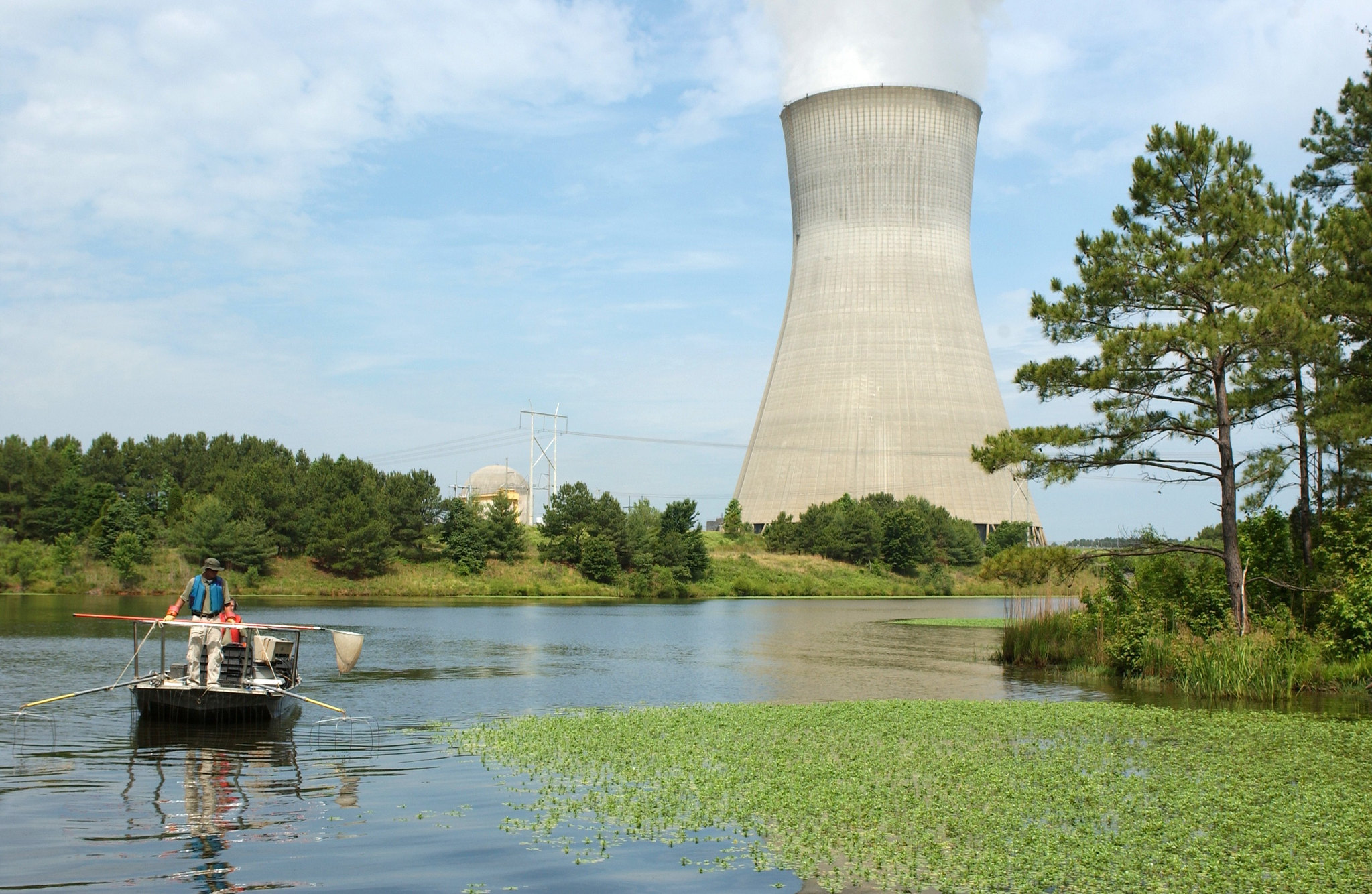
Above: The Harris Nuclear Plant is a nuclear power plant with a single Westinghouse designed pressurized-water nuclear reactor operated by Duke Energy. This plant is located in New Hill, North Carolina.
North Carolina is the fifth largest producer of nuclear energy in the United States and has positioned itself at the forefront of future nuclear technologies. According to the Nuclear Energy Institute, nuclear power generates 77% of the state’s carbon free electricity. In the Carolinas, Duke Energy currently operates the nation’s largest nuclear fleet and is evaluating the potential for new nuclear resources – including small modular reactors (SMRs) and large light-water reactors (LLWRs) – to ensure future generations will continue to enjoy reliable, low-cost and clean baseload energy.
Duke Energy Nuclear Fleet Sets Reliability Record
In 2025, Duke Energy’s nuclear fleet set a new reliability record, providing communities across the Carolinas with around-the-clock power customers can count on. Steady, predictable output from nuclear units strengthens grid reliability and helps manage system costs, directly supporting growing energy needs.
- Duke Energy’s nuclear plants were generating power a combined 96.9% of the time in 2025, a new record for systemwide capacity factor
- The fleet’s strong performance resulted in $600 million in federal nuclear production tax credits, which are directly passed on to customers to help reduce costs
Case Study: NC State University Drives Nuclear Innovation
North Carolina’s Electric Cooperatives Driving Grid Innovation
North Carolina’s 26 electric cooperatives are member-owned, not-for-profit utilities powering 2.8 million rural and suburban residents. They collectively serve 97 of 100 North Carolina counties with 106,000 miles of distribution lines, providing power to 24% of the total population and nearly half of the state’s land mass.
Clean Energy Mix
North Carolina Electric Membership Corporation is one of the largest generation and transmission electric cooperatives in the nation. NCEMC provides 4,500 MW of reliable, affordable electricity through a diverse fuel mix of owned assets and power purchase agreements, with more than half supplied by emissions-free nuclear.
Grid Innovation
The co-ops utilize advanced grid management to both increase reliability and manage power needs during times of peak demand. Collectively, the co-ops’ portfolio of distributed energy resources includes solar, battery storage and microgrids.
- Battery Energy Storage Systems: Stores lower cost power to dispatch in times of high demand
- Microgrids: Provide localized, independent power resilience during outages
- Community Solar: Enables community members to own solar to offset their power costs without having to build on their own property.
By combining large-scale nuclear generation with smart, decentralized technology, North Carolina’s electric cooperatives successfully deliver efficient, flexible, and affordable power.
| Program Type | How It Works | Scale & Impact |
|---|---|---|
| Community Solar Farms | Co-ops build and own local solar fields. Members who cannot install panels on their own roofs can “subscribe” to a panel and receive a credit on their electric bill. | 12 co-ops operate 19 community solar farms across NC |
| Solar + Storage Sites | Co-ops pair utility-scale solar generation directly with massive grid-scale batteries. Batteries charge during peak sunlight and discharge power when demand spikes on dark winter mornings and hot summer evenings. | 13 sites generate over 23 MW of solar energy and 53 MWh of storage |
| Microgrids | Independent mini power grids combining a variety of co-op generation sources including batteries, solar, and conventional combustion generators. They can disconnect from the main power grid to keep local power running during unexpected outages including ones caused by storms. | Active on Ocracoke Island and at Rose Acre Farms in Hyde County, NC |
Case Study: UNC Charlotte is Leading the NSF Grid Modernization Engine

Renewable Energy Programs for Corporate Sustainability
As organizations across industries strengthen their corporate sustainability commitments, access to reliable, cost-effective renewable energy has become a strategic business priority. In North Carolina, over 300 companies from the Forbes Global 2000 list currently operating in the state have set net-zero targets. These companies collectively employ 457,000 people across all 100 counties.
North Carolina is meeting this demand for access to renewable energy, helping companies reach their carbon reduction targets through these key programs:
- Green Source Advantage Standard (GSA Standard): This program allows large business customers with at least 1 megawatt (MW) of annual peak demand at one location or 5 MW of annual peak demand across multiple locations to partner with a third-party developer to bring a new renewable resource to Duke Energy’s grid. The customer locates their own renewable supplier and negotiates all price terms directly with them, including the purchase of Clean Energy Environmental Attributes (CEEAs) generated by the renewable facility. Customers can subscribe to capacity that could match up to 100% of their annual kilowatt-hour usage.
- Duke Energy’s Green Source Advantage Express (GSA Express): This program allows large business customers with at least 1 MW of annual peak demand at one location or 5 MW at multiple locations to subscribe to capacity from renewable facilities on Duke Energy’s grid, helping them match up to 100% of their annual electricity use without securing off-site generation on their own. When the resources generate renewable energy, the customer receives the Clean Energy Environmental Attributes (CEEAs) associated with their subscription.
“With a large manufacturing footprint in the area, [the GSA Express] program gives us a reliable, scalable way to access clean energy directly from the grid – helping us reduce our emissions footprint while strengthening the resilience of our network. We’re proud to be among the first participants and appreciate Duke Energy’s commitment to making renewable energy more accessible for companies in North Carolina.”
Jeff Allen, Chief Operating Officer, Daimler Truck North America
North Carolina’s Manufacturing Base is Being Rebuilt in the Energy Sector
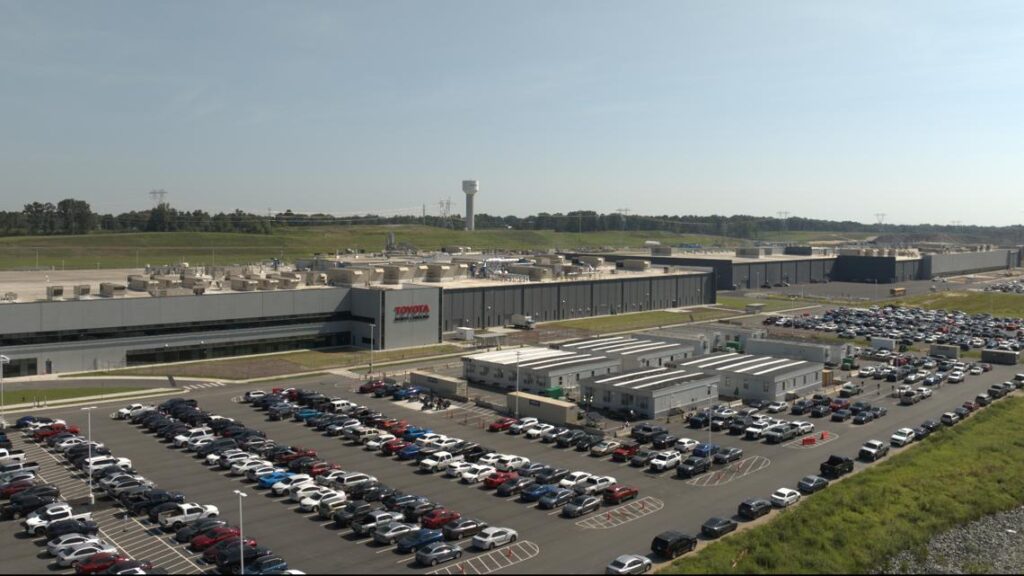
Above: Toyota Battery Manufacturing plant in Liberty, North Carolina.
Since 2022, more than $30 billion in private-sector energy investments have been announced across North Carolina. Despite federal policy uncertainty, the energy sector ranked second in North Carolina for the number of announced economic development projects in 2025.
North Carolina’s success includes announcing more than 38,000 new jobs tied to the clean energy supply chain since 2022. These investments span manufacturing facilities for batteries, solar panels, SMRs, transformers and other technologies essential to electricity generation. The state is also highly competitive in industries supported by these technologies, such as electric vehicles and sustainable aviation fuels. These investments are helping North Carolina supply energy technologies to both domestic and international markets.
Top Choice for Clean Energy Companies



Powering Clean Energy Talent
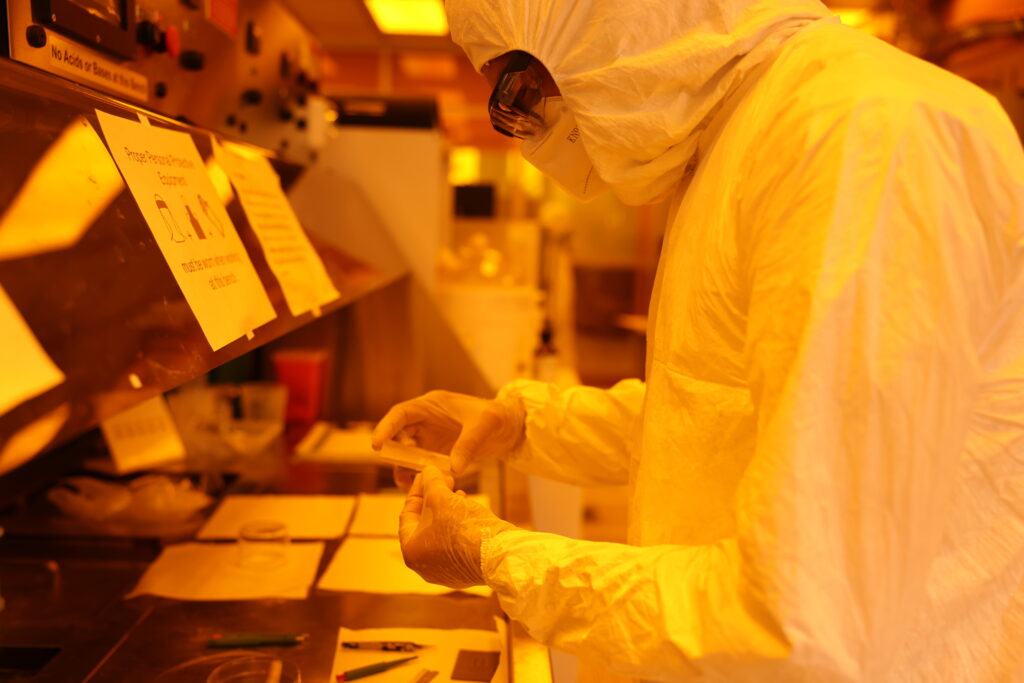
North Carolina is the #1 state in the nation for workforce development according to Site Selection magazine. This top ranking is driven by a highly coordinated, employer-led training ecosystem designed to build a robust talent pipeline. North Carolina has strategically leveraged this workforce strength to become a national model for building a resilient, next-generation clean energy workforce.
In February 2026, the Siemens Foundation launched Careers Electric™, selecting North Carolina as the pilot state. Backed by a $9.5 million investment, this scalable training framework directly targets the critical skilled trades deficit by equipping thousands of workers with advanced electrical, energy, and infrastructure capabilities. The initiative will expand training capacity, modernize curriculum around emerging technologies, and create multiple entry points—from high school training and youth apprenticeships to community college credentials and specialized electrical training—positioning North Carolina as a replicable model for other states.
Anchor partners include Wake Technical Community College and the North Carolina Community College System, alongside founding coalition industry partners including Siemens, ABB, Amazon Web Services, Duke Energy, JetZero, Hitachi Energy and NC Electric Cooperatives. These alliances align technical curricula directly with real-world employer needs, preparing students for well-paying, in-demand electrical careers and providing businesses with a pipeline of specialized talent.
- Careers Electric™ plans to train 25,000 North Carolinians for jobs in the energy and infrastructure sectors within the program’s first 10 years.
- High schools: In 2026, the program aims to train 200-250 students and plans to scale annually.
- Community colleges: Ten North Carolina community colleges will expand existing advanced electrician programs by 20% over the next three years, with plans to grow to additional schools.
Partners in Clean Energy
North Carolina’s specialized research coalitions are transforming the state’s power infrastructure by moving cutting-edge laboratory breakthroughs directly into real-world grid applications:
- North Carolina Battery Complexity, Autonomous Vehicle, and Electrification Research Center at the University of North Carolina at Charlotte is driving innovation through cutting-edge research focused on autonomous vehicles, battery safety and optimization, materials science, and electromechanical engineering for energy storage. Referred to as the “BATT Cave,” the research center is the first of its kind in the Southeast.
- North Carolina State University’s CLAWS (Commercial Leap Ahead for Wide Bandgap Semiconductors) is a federally-funded initiative to develop new power chip uses for improved energy efficiency and performance.
- Future Renewable Electric Energy Delivery and Management Center (FREEDM), a NSF Engineering Research Center headquartered at North Carolina State University, conducts research to develop a more sustainable electric grid.
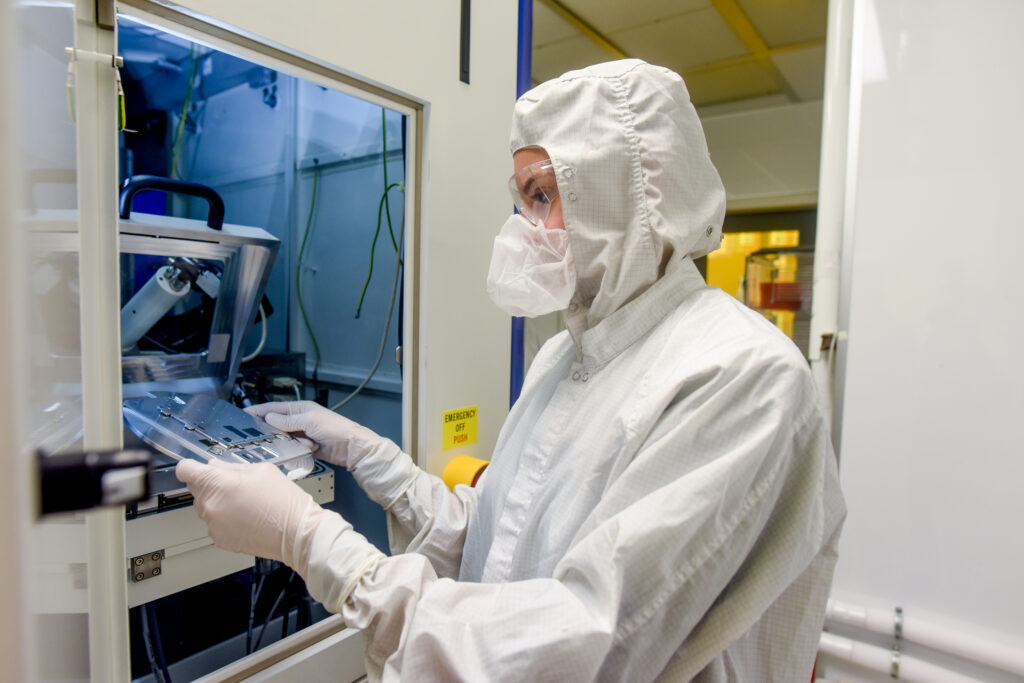
Photo Courtesy of NC State CLAWS
By leveraging the technical prowess of centers like the BATT Cave for advanced battery safety, CLAWS for next-generation power chips, and FREEDM for smart grid solutions, the state is actively solving the complex engineering bottlenecks of modern electrification. These collaborative platforms allow academic engineers, federal agencies, and corporate stakeholders to co-develop technologies that maximize power efficiency.
Summary
As people and companies choose to move to North Carolina, the state is building out a diverse, reliable and sustainable energy mix to power that growth. This clean energy transition is actively accelerated by a powerful network of specialized university research hubs and state-backed workforce programs that pioneer next-generation battery, smart grid, and clean energy technologies and talent. North Carolina’s carbon neutrality target provides a critical enabling environment for existing companies to make progress towards their corporate climate goals while also enhancing the state’s competitiveness as a top destination for future investment.